Shin Splints Turns Out to be a Muscle Problem!
08 November 2024
Read : 704
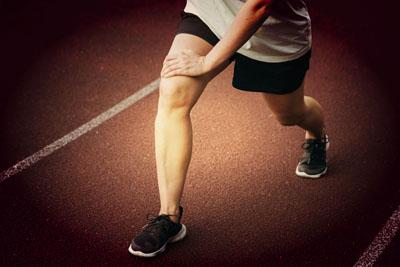
Types, triggers, symptoms, and how to prevent and overcome Shin Splints
Shin splints, medically called syndrome stress tibial, is pain at the bottom or inner edge of the shin bone. The shinbone (tibia) itself stretches from the knee to the ankle, precisely at the front of the lower leg.
The shin bones not only connect the knees and ankles but also support the body, maintain balance, support the leg muscles, and produce red blood cells. As a result, if your shins are painful, not only will your activities be disrupted, but the pain can also develop into a stress fracture.
To understand this further, see the following explanation of shin pain!
A. Types of Shin Splints
Based on the area affected, shin pain is divided into 2, namely:
- Medial Tibial Stress Syndrome: pain in the lower two-thirds of the inner edge of the shin bone. This pain is the most common shin pain.
- Anterior Tibial Stress Syndrome: pain along the front and outer edge of the shin bone.
However, the pain between the two is difficult to differentiate if it is not done by an expert. Moreover, the pain that has been ignored has already spread everywhere.
B. Shin Splints Triggers
Shin pain occurs due to repeated pressure on the shins due to muscles and connective tissue pulling on each other in the lower legs. This repetitive pressure usually occurs when the body does activities such as running and jumping, causing the shin bones to weaken or become inflamed. Several factors can trigger shin pain, including:
- Inappropriate use of shoes and protective equipment so that shoes and protective equipment do not support the body properly when exercising or carrying out activities;
- Traveling very long distances on foot suddenly without much exercise beforehand;
- Running on hard, sloping, and uneven surfaces;
- Exercising yourself too much when exercising, both in terms of duration, frequency and intensity;
- Not used to playing sports with fast foot movements, such as soccer;
- Accidents during activities, such as being hit or falling hard;
- Certain health conditions, such as eating disorders, vitamin D deficiency, osteopenia, and osteoporosis so that bones become weaker;
- There is weakness in the thigh or buttock muscles that is not treated, so that the shins work extra to support the body and pain spreads to the shins; as well as
- Stress reactions due to fractures can also cause shin pain
Everyone can experience shin pain. However, usually, shin pain is more susceptible to soccer athletes, runners, dancers, surfers, military trainees, and people who have flat feet or high and stiff arches of the feet.
C. Shin Splints Symptoms
Apart from pain in the lower limbs, shin pain can be accompanied by the following symptoms:
- Pain can be felt along the inside of the lower leg, the front of the lower leg, or in the two muscles on the side of the shin;
- Continuous discomfort during and after activities;
- It can be a sharp or dull pain; until
- Legs feel limp and numb.
If the symptoms you feel become worse, such as swelling, or a burning sensation in the shin area, and the pain is still felt to the point of interfering with your rest time, immediately check yourself at PH Remedial Massage Indonesia!
D. Tips for Preventing and Treating Shin Splints
- Do it regularly stretching in your free time so that your muscles don't become stiff when you want to use them.
- Warming up before exercise and cooling down after exercise should not be missed! Muscles that are used to exercise without warming up and cooling down will feel "shocked" because they have difficulty adapting to changes in activity.
- Exercise is good for the body, but make sure you don't force yourself and do it too much. Because muscles that are used too much will be more susceptible to injury.
- Use the right shoes and shin guards when playing sports that require the feet to move more actively than other parts of the body, such as running, cycling, futsal, and soccer.
- Use the RICE method as the first treatment, namely:
- Rest: Rest your feet if you have shin pain and reduce their use in daily activities.
- Ice: Cool the painful part of the shin with ice for 20 minutes to reduce pain and inflammation
- Compress: Bandage the painful part of the shin to limit blood flow
- Elevate: Position the affected leg higher than the rest of the body when lying down. Don't sleep on your stomach or put your injured shin on top so as not to aggravate the injury.
- Is there annoying pain in your shins? Immediately check yourself at PH Remedial Massage Indonesia! Consult and get Remedial Massage treatment so that your muscles return to their normal position and shape. Schedule your visit to PH Remedial Massage Indonesia by contacting our WhatsApp: 08111338137 now!
By Rastianta Rinandani and Glen Stevano Tanihatu
Source:
- https://www.mayoclinic.org/diseases-conditions/shin-splints/symptoms-causes/syc-20354105
- https://my.clevelandclinic.org/health/diseases/17467-shin-splints
- https://www.healthline.com/health/shin-splints
- https://www.siloamhospitals.com/informasi-siloam/artikel/apa-itu-tulang-tibia
- https://www.freepik.com