The Difference Between Tendinitis and Bursitis, Don't Get It Wrong!
20 September 2024
Read : 618
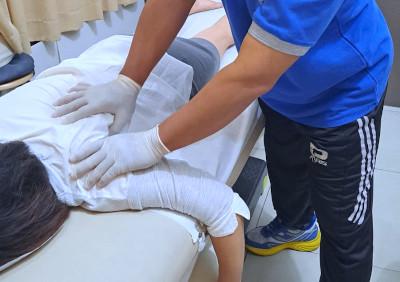
You may often hear the terms Tendinitis (also called Tendonitis) and Bursitis when searching for information about the body pain you feel on the search page. Both Tendinitis and Bursitis are at risk for people aged 40 years and over and people who work with repetitive movements, such as athletes, farmers, construction workers, painters, and musical instrument players. However, Tendinitis and Bursitis can also be caused by poor posture when sitting, lack of warming up before exercising, being overweight, or a history of certain diseases.
Although both are similar, Tendinitis and Bursitis are different problems and require different treatments. Well, so that you can distinguish between the two, here we summarize the differences between Tendinitis and Bursitis!
A. The Difference Between Tendinitis and Bursitis
1. Definition and Affected Tissues
- Tendinitis is inflammation of the tendon, which is the connective tissue that connects muscle to bone.
- Bursitis is inflammation of the bursa or fluid-filled sac (lubricant) that acts as a cushion around the joint to reduce friction when bones and tendons move.
2. Common Triggers
- Tendinitis is generally caused by repetitive use of a joint, sudden movements, and degeneration due to age factors.
- Generally, bursitis is triggered by repetitive delivery, trauma, and infection.
3. Body Parts Often Affected
- Tendinitis often affects the shoulder, elbow, wrist, knee, and Achilles.
- Bursitis usually affects the shoulder, elbow, hi, and knee.
4. Symptoms
- Symptoms of Tendinitis include pain when moving, weakness, stiffness, and mild swelling.
- Symptoms of Bursitis usually include sharp or dull pain in the joint, swelling, redness, and limited movement.
B. Types of Tendinitis
There are various types of Tendinitis based on their location, here are the types of Tendinitis:
- Tennis Elbow, inflammation of the outer elbow.
- Golfer’s Elbow, inflammation of the tendon that connects the inner elbow and the forearm.
- Rotator Cuff Tendinitis, further inflammation of the rotator cuff tendons.
- Achilles Tendinitis, inflammation behind the ankle.
- De Quervain Tendinitis (De Quervain syndrome), inflammation at the base of the thumb.
C. Tips to Prevent and Treat Tendinitis
- Pay attention to good posture when sitting, sleeping, standing, and walking.
- Keep your weight ideal and not excessive by paying attention to your diet and balanced nutritional content.
- Stretch your muscles every day in your free time. Muscle stretching can increase flexibility and range of motion of joints so that muscles return to their original size and position. Muscle stretching can also increase blood circulation to the muscles and bring the nutrients and oxygen needed to repair and strengthen muscles. This can help prevent injury, improve posture, and improve athletic performance.
- Don't skip warming up before exercising and don't leave out cooling down after exercising. Without proper warming up and cooling down, muscles can become stiff and tense after exercise. Warming up makes muscles more ready for use, because exercise makes muscles produce lactic acid as a result of anaerobic metabolism. Meanwhile, cooling down helps reduce the production of lactic acid in the muscles so that muscle fatigue and stiffness are reduced. The risk of injury and muscle cramps will also decrease.
- Avoid excessive exercise both in frequency and duration. It is better to increase the frequency and duration of exercise slowly so that the muscles can adjust.
- Wear proper and suitable sports shoes and body protective equipment.
- If there is a part of your body that starts to feel sore, immediately rest your sore muscles from repetitive movements and excessive activity.
- Take a shower or bath with warm water because this can help relax the muscles again and reduce pain.
- Use the RICE method as first aid for your painful body part, namely:
- Rest (R): Rest your muscles and reduce their use.
- Ice (I): Cool your painful body part with ice for 20 minutes to reduce pain and inflammation.
- Compress (C): If possible, wrap your painful body part to limit blood flow.
- Elevate (E): Position your painful body part higher than other body parts. Do not let your painful body part be crushed so that blood does not flow to the injured area.
- If any part of your body is already sore, come immediately to PH Remedial Massage Indonesia! Get Remedial Massage treatment and consultation so that your muscles can return to normal position and shape. Schedule your visit to PH Remedial Massage Indonesia by contacting our WhatsApp: 08111338137 now!
By : Rastianta Rinandani dan Glen Stevano Tanihatu
Source: